Introduction
Delhi, the capital city of India, has long been a melting pot of cultures, traditions, and histories. This unique blend is vividly reflected in the city's fashion scene, where traditional designs and modern trends coalesce to create something truly distinctive. The fusion of traditional and modern designs in Delhi's fashion is not merely a trend but a testament to the city's evolving identity. This blend offers a fresh perspective on couture, making Delhi a significant hub for fashion enthusiasts and designers worldwide.
This exploration delves into the intricacies of how traditional elements from India's rich cultural tapestry are being reimagined in the realm of contemporary fashion. By incorporating modern aesthetics into timeless designs, Delhi's fashion scene is setting a precedent for innovation while respecting heritage. The fusion fashion in Delhi mirrors the societal shift towards globalization, where the past and present merge to shape a future that honors both. Through specific examples, industry insights, and expert opinions, this article will provide a comprehensive understanding of the dynamic fusion of traditional and modern designs in Delhi's fashion landscape.
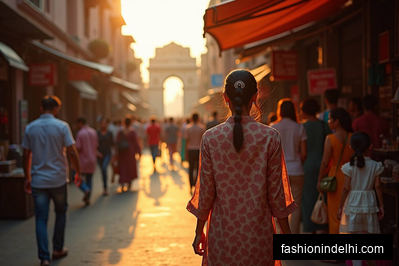
The introduction to Delhi encapsulates the essence of a city steeped in a rich tapestry of historical significance. From the majestic Red Fort standing as a symbol of Mughal power to the bustling lanes of Chandni Chowk offering a glimpse into the city's vibrant street life, Delhi beckons visitors with its diverse offerings. The fusion of ancient monuments like the Qutub Minar with modern architectural marvels such as the Lotus Temple showcases the city's seamless blend of traditions and progress. As one delves into Delhi's introduction, it becomes evident that this dynamic metropolis is not just a geographical location but a living narrative of India's past, present, and future.
The Evolution of Fusion Fashion in Delhi
The concept of fusion fashion in Delhi has evolved significantly over the years. Initially, it was about subtly incorporating traditional motifs or elements into modern wear. However, today, it encompasses a broader spectrum of innovations, from silhouettes to fabric techniques, blending the old with the new in more complex and creative ways. Designers like Manish Malhotra, Sabyasachi Mukherjee, and Anita Dongre have been at the forefront, redefining traditional attire by introducing modern twists that appeal to the global audience.
Manish Malhotra, for instance, has revolutionized the traditional saree by introducing elements like the belt to cinch the waist, making it more appealing to the younger demographic. Sabyasachi's bridal collections, on the other hand, blend rich traditional crafts with modern silhouettes, making each piece a timeless work of art. Anita Dongre's designs focus on sustainability, marrying traditional handloom techniques with contemporary designs, thus appealing to the environmentally conscious buyer. These designers have not only contributed to the evolution of fusion fashion in Delhi but have also helped it gain recognition on international platforms.
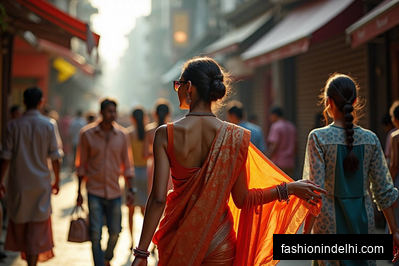
In the contemporary Delhi fashion scene, the evolution of fusion fashion continues to captivate designers and fashion enthusiasts alike. What once began as a mere blend of traditional Indian attire with Western influences has now metamorphosed into a diverse tapestry of styles, incorporating elements from various cultures and eras. For instance, designers are seamlessly merging intricate zari work from Banaras with modern silhouettes, creating stunning ensembles that resonate with both heritage and innovation. The streets of Delhi have become a runway for experimental fashion, where individuals confidently flaunt fusion outfits that seamlessly blend the old and the new, reflecting the city's dynamic and ever-evolving fashion ethos.
The Impact of Globalization on Delhi's Fashion Scene
Globalization has played a pivotal role in shaping the fashion landscape of Delhi. With the advent of the internet and social media, exposure to global fashion trends has become instantaneous, influencing the preferences of the local populace. This exposure has led to a demand for outfits that marry the comfort and aesthetics of western wear with the elegance and tradition of Indian attire. The result is a burgeoning market for fusion wear that caters to a clientele looking for the best of both worlds.
Moreover, globalization has facilitated a cross-cultural exchange, allowing Indian designers to showcase their work on international stages and vice versa. This has not only put Delhi on the global fashion map but has also encouraged a collaborative spirit among designers. For example, collaborations between Indian designers and international brands have become more common, leading to collections that are truly global in essence yet distinctly Indian in spirit. Such initiatives have significantly contributed to the evolution of fusion fashion in Delhi, making it more inclusive and diverse.
Beyond influencing clothing styles, globalization has also brought about a fusion of traditional Indian craftsmanship with contemporary design trends in Delhi's fashion scene. This amalgamation is evident in the rise of sustainable fashion labels that blend age-old techniques like hand embroidery and block printing with modern silhouettes. Furthermore, international collaborations and fashion events have provided local designers in Delhi with a platform to showcase their creations on a global stage, fostering cross-cultural exchanges and pushing boundaries of creativity. As a result, Delhi has become a melting pot of diverse influences, where traditional Indian aesthetics harmoniously coexist with global fashion sensibilities, creating a unique and vibrant fashion ecosystem.
Case Studies: Fusion Fashion in Practice
Several success stories highlight the practical application of fusion fashion in Delhi. For instance, the launch of the 'Modern Maharani' collection by a renowned designer was a nod to the royal Indian heritage, with a modern twist. The collection featured traditional lehengas paired with crop tops and palazzo pants adorned with classic Indian embroidery, appealing to both traditionalists and modernists. This collection was a commercial success, illustrating the market's appetite for such innovative fusions.
Another example is a startup that specializes in customizing traditional Indian wear with western elements for the urban woman. Their USP is the ability to take a classic piece like the saree and reimagine it as a saree-gown, making it more accessible and wearable for the younger generation. This startup has not only gained popularity among millennials in Delhi but has also received international acclaim, showcasing the global appeal of fusion fashion.
These case studies underscore the viability and appeal of fusion fashion in both domestic and international markets. They also highlight the innovative spirit of Delhi's designers, who are constantly experimenting with and refining the concept of fusion wear.
One remarkable case study worth mentioning is the collaboration between a traditional Indian sari designer and a Western streetwear brand, resulting in a stunning fusion collection that seamlessly blended the intricate embroidery of the sari with the edgy aesthetics of street fashion. This innovative approach not only appealed to the local market in Delhi but also garnered international acclaim at fashion shows in Paris and New York, proving the global potential of fusion fashion. Another noteworthy example is the sustainable fusion line that incorporated upcycled fabrics from vintage saris, showcasing a commitment to eco-conscious practices within the realm of fusion design.
Pros and Cons of Fusion Fashion
While the fusion of traditional and modern designs in Delhi's fashion scene has been largely positive, it is important to consider its advantages and disadvantages. On the plus side, fusion fashion promotes cultural exchange and creativity, allowing for a more diverse and inclusive fashion landscape. It also offers consumers more choices, enabling them to express their identities through a unique blend of styles. Furthermore, fusion fashion has opened up new markets for traditional artisans and craftsmen, providing them with a platform to showcase their work to a global audience.
However, there are concerns that the essence of traditional designs might get diluted in the process of fusion, leading to a loss of cultural identity. Critics argue that in the quest for innovation, the deep-rooted meanings and significance of traditional attire may be overlooked. Moreover, there is a risk of cultural appropriation, where elements of a culture are used outside of their original context, often without proper understanding or respect.
Despite these challenges, the fusion of traditional and modern designs in Delhi's fashion continues to thrive, with designers and consumers alike navigating these complexities with sensitivity and creativity. The key lies in striking the right balance, ensuring that while the designs evolve, the cultural integrity and significance of traditional elements are preserved.
One of the key advantages of fusion fashion is its ability to create unique and eclectic styles that stand out in a crowd. By combining elements from different cultural backgrounds, designers can craft pieces that are not only visually appealing but also culturally significant. For example, a fusion outfit blending traditional Indian embroidery with modern silhouettes can be a stunning representation of cultural harmony and innovation. However, one potential downside of fusion fashion is the risk of cultural appropriation. When not done thoughtfully and respectfully, blending elements from different cultures can lead to misrepresentation and disrespect towards the original traditions. It's crucial for designers to approach fusion fashion with sensitivity and awareness.
Conclusion
The fusion of traditional and modern designs in Delhi's fashion scene is a vivid reflection of the city's dynamic culture and history. By blending the old with the new, Delhi's fashion designers are not only making a style statement but are also preserving the rich heritage of Indian attire. This innovative approach to fashion has not only captivated the local market but has also garnered attention on global platforms, making Delhi a notable name in the world of fashion.
For aspiring designers and fashion enthusiasts, the key takeaway is the importance of innovation while respecting tradition. The success stories and case studies mentioned earlier serve as inspiration, highlighting the potential of fusion fashion to create something truly unique and timeless. As the fashion landscape continues to evolve, the fusion of traditional and modern designs in Delhi will undoubtedly play a pivotal role in shaping its future, offering endless possibilities for creativity and expression.
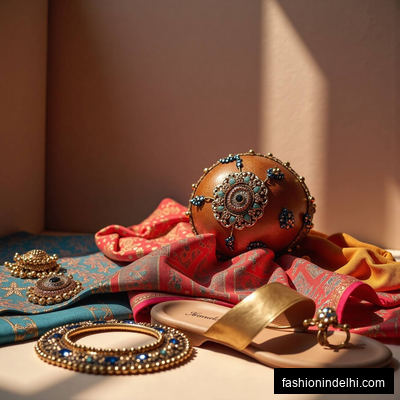
In conclusion, the harmonious blend of traditional and contemporary styles in Delhi's fashion landscape not only showcases the city's rich cultural heritage but also highlights its progressive and innovative spirit. This fusion is evident in the intricate embroidery work seen on traditional garments like sarees and lehengas, now paired with modern silhouettes and cutting-edge designs. The juxtaposition of classic handloom fabrics with avant-garde techniques and materials has created a unique fashion identity for Delhi that resonates with both locals and global fashion enthusiasts. The conclusion drawn from this fusion is that tradition and modernity can coexist seamlessly, leading to a dynamic and vibrant fashion scene that continually evolves with the times.